Can a Boiler Replacement Need a New Flue? What Your Property Determines
By Delta T Plumbing Heating and Renewables Ltd
Why the existing flue is not automatically reusable
A boiler can be replaced in the same position without the old flue being suitable for the new appliance. The connection, route and position of the flue’s outside end (its terminal) all need to suit the boiler being installed. An existing opening in the wall is useful information, but it is not proof that the route meets the new appliance’s instructions or current requirements.
The flue carries waste gases outside. Its route and terminal position therefore need to be assessed as part of the installation, not treated as an afterthought. In Lancaster and across Cumbria, the answer can vary from one home to the next, even when the boilers are in similar locations.
How the building changes the options
External wall or roof route
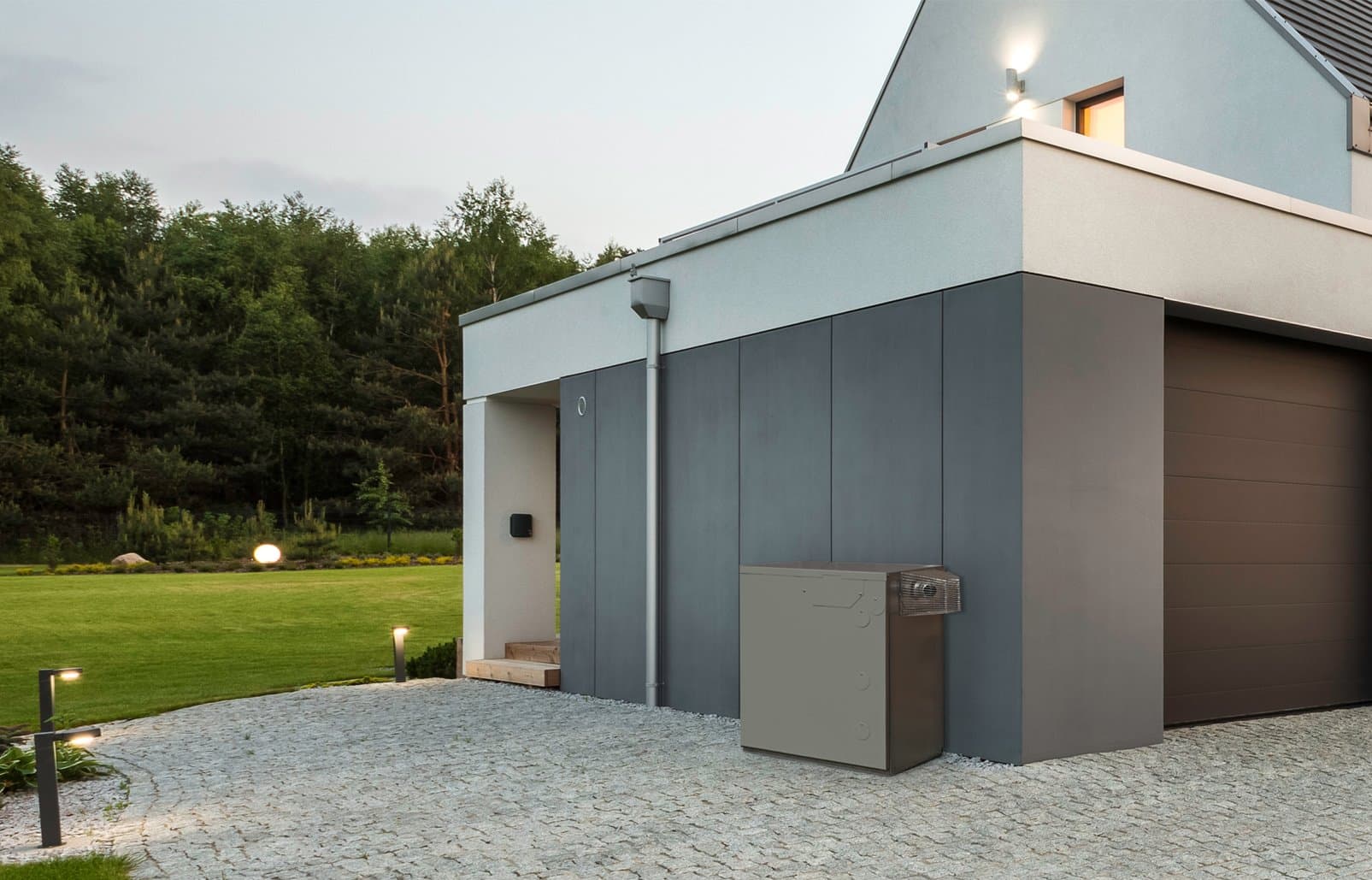
A boiler on an outside wall may allow a flue to pass directly through that wall. This can be a relatively direct route, but the terminal still needs a suitable position in relation to openings, boundaries and areas people use. A nearby window, doorway, narrow passage or neighbouring property can affect what is appropriate.
If the boiler sits away from an external wall, the flue may need a longer route through the building and out through a wall or roof. That can make the route more complex. The installer has to consider the appliance’s permitted flue arrangement and the parts of the building the route passes through. A route that appears physically possible is not necessarily an acceptable one.
Terraced homes and neighbouring walls
In a terraced property, the available external walls may be limited, and a terminal can be close to a neighbour’s wall or opening. That does not automatically rule out a replacement, but it makes the exact position important. The survey needs to consider where the terminal would discharge and whether that position is suitable for the property around it.
Moving the terminal may be preferable to reusing the old position, but the alternative route has to work with the boiler and the house. The best option is not simply the one that keeps the flue shortest. It must also meet the relevant requirements and avoid creating problems for occupants or neighbouring properties.
Flats and shared parts of a building
A flat can have additional constraints. The exterior wall, roof or chimney may form part of a shared building, and the route may pass through communal or restricted areas. There may also be permissions to resolve before work can proceed. These details can narrow the choices even when a new terminal position seems straightforward from inside the flat.
In this situation, it helps to identify who is responsible for the relevant parts of the building and whether approval is needed. That is separate from checking whether the proposed flue arrangement is technically suitable. Both questions matter before a final plan is agreed.
The boiler position and condensate route also matter
A new flue route is only one part of the layout. A replacement boiler also needs a suitable route for its condensate pipe, which carries water away from the appliance. The condensate route is separate from the flue, but the available pipework and drainage can affect where the boiler can sensibly sit and how the installation is arranged.
This is why moving a boiler or changing its flue terminal can involve more than making a new hole in a wall. Pipe routes, access and the property’s construction all contribute to the practical options. Where a proposed route involves difficult access or building work, that should be identified during the survey so you can understand the scope before work is agreed.
What to expect from the assessment
We assess the proposed boiler location, the existing flue route and the possible terminal positions against the appliance requirements and relevant safety rules. We also consider the home’s layout, nearby openings and the route needed for condensate. If the old arrangement is unsuitable, the alternatives depend on what the property allows. Sometimes the boiler can remain in place with a revised flue route; in other cases, another boiler position may need consideration.
Do not alter a flue or terminal yourself, or assume an old installation is suitable because it has been in use. Flue design and installation should be handled by a suitably qualified professional. Our Gas Safe registered status is relevant to gas boiler work, while the exact plan still depends on the individual property.
For an overview of our Boiler Installation service, see the service page. If you are planning a replacement in Lancaster or Cumbria, speak with us at Delta T Plumbing Heating and Renewables Ltd about the flue route as part of assessing the installation. The property, not just the boiler, determines which options are suitable.