Signs you need air source heat pump installation — and what to do next
By Mark Smith
Signs you need air source heat pump installation — and what to do next
Air source heat pumps (ASHPs) are now a practical, low‑carbon heating option for many homes in Lancaster and across Cumbria. But how do you know if an ASHP is right for your property? Below are clear signs that an ASHP could be the best upgrade — and the exact next steps a homeowner should take.
Clear signs your home is a good candidate
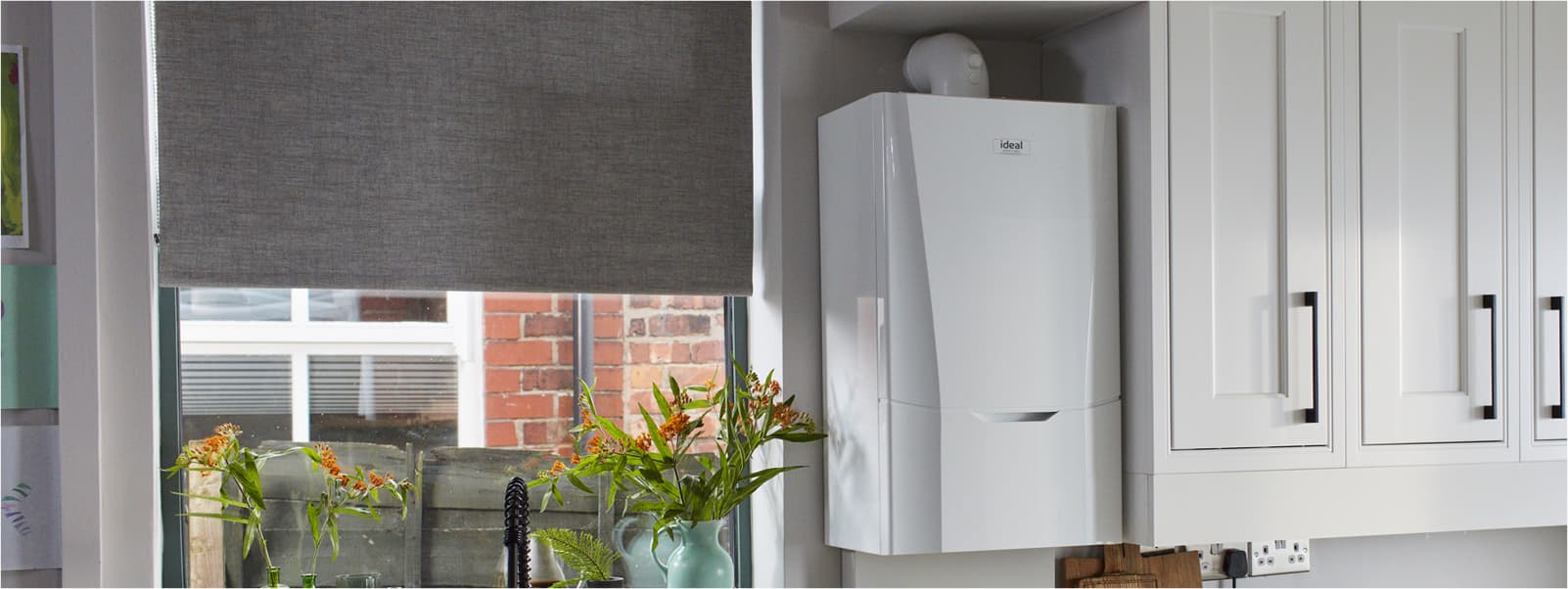
- Old, inefficient boiler or frequent repairs — If your gas boiler is over 10–15 years old, needs frequent call‑outs, or is becoming unreliable, an ASHP offers a long‑term replacement that reduces carbon emissions and can cut running costs where the property is suitable.
- Poor boiler match for the property — Properties with oversized or undersized boilers that struggle to deliver hot water and steady heating are strong candidates for reassessment and often benefit from a modern heat source.
- Good insulation and draught‑proofing already in place — ASHPs work best in well‑insulated homes (solid wall or cavity wall insulated, loft insulation, double glazing). If you’ve recently upgraded thermal performance, a heat pump will perform efficiently.
- Low‑temperature heating systems or underfloor heating — If you have, or can install, low‑flow systems (underfloor heating or larger radiators), you’ll harness an ASHP’s efficiency much better than in a high‑temperature traditional radiator system.
- High electricity affordability and low‑carbon goals — If your home has renewable electricity (solar PV) or you’re pursuing lower carbon heating for environmental or compliance reasons, an ASHP makes sense.
- Frequent call‑outs for boiler breakdowns or safety concerns — Gas Safe Registered engineers will tell you: persistent faults are a signal to consider replacement. Delta T Plumbing Heating and Renewables Ltd has 30 years’ experience assessing when replacement is more sensible than repair.
Signs an ASHP may need additional work or might not suit the property
- Very poor insulation or single‑glazed windows — Installing an ASHP without first improving fabric performance reduces efficiency and comfort. Treat insulation as step one.
- Terraced houses with limited external space — ASHPs need an outdoor unit and adequate airflow. Tight backyards or shared courtyards require careful planning and neighbour liaison.
- High hot water demand with limited cylinder space — Some systems require different hot water cylinders or thermal stores; check your cylinder capacity.
Practical checks to make before you commit
- Request a heat loss survey — A qualified energy assessor will calculate your home’s heat loss (not guesswork). Delta T’s in‑house Qualified Energy Assessor performs these surveys to size systems correctly.
- Check insulation and fabric first — Loft, wall and floor insulation plus draft sealing increase performance more than upsizing the heat pump.
- Assess radiator flow temperatures — Many existing radiator systems need larger radiators or higher surface area to deliver the same heat at lower flow temperatures (typically ~45°C rather than 70°C). Your installer will advise whether radiators need upgrading or if underfloor heating is preferable.
- Confirm electrical capacity — ASHPs increase electrical demand. An electrician can confirm if your consumer unit and supply can cope, and whether a supply upgrade is necessary.
- Consider noise and siting — Outdoor units emit some operational noise. A site survey will pick the best location that meets manufacturer clearances and minimises neighbour impact.
What to ask potential installers
- Are you MCS approved and experienced with ASHPs? (Delta T is MCS accredited.)
- Will you perform a full heat loss calculation and provide a written specification?
- Are you a qualified energy assessor and do you handle grant paperwork or applications for homeowners?
- What warranty and aftercare do you offer, and do you provide planned maintenance?
- Can you show examples of installations in similar Lancaster properties or local authority projects?
The installation pathway — simple practical steps
- Book a survey with an MCS‑accredited installer and a qualified energy assessor.
- Receive a bespoke specification and written quote detailing system size, cylinder requirements, radiator upgrades, and electrical works.
- Make any fabric improvements recommended (insulation, draught‑proofing) before install to maximise efficiency.
- Agree a project schedule that includes commissioning, performance testing, and handover documentation.
- Register the installation with MCS and keep all commissioning paperwork and performance data for warranties and grant eligibility.
Grants, compliance and contracts
If you’re working with local authority or institutional standards, specify compliance up front. Delta T has experience delivering to local authority specs and will provide Gas Safe and MCS paperwork, plus energy assessment reports required for audit or grant applications. Check current government schemes for eligibility — a properly documented MCS installation is often required for incentives.
Ready to take the next step?
If your Lancaster or Cumbria home shows the signs above, book a no‑obligation survey with Delta T Plumbing Heating and Renewables Ltd. Director Mark Smith brings 30 years’ experience, Gas Safe registration, MCS approval and in‑house energy assessment expertise to every project. Call 07516381454 or email deltatplumbing@gmail.com to arrange a survey and written specification tailored to your property.